August 24, 2026
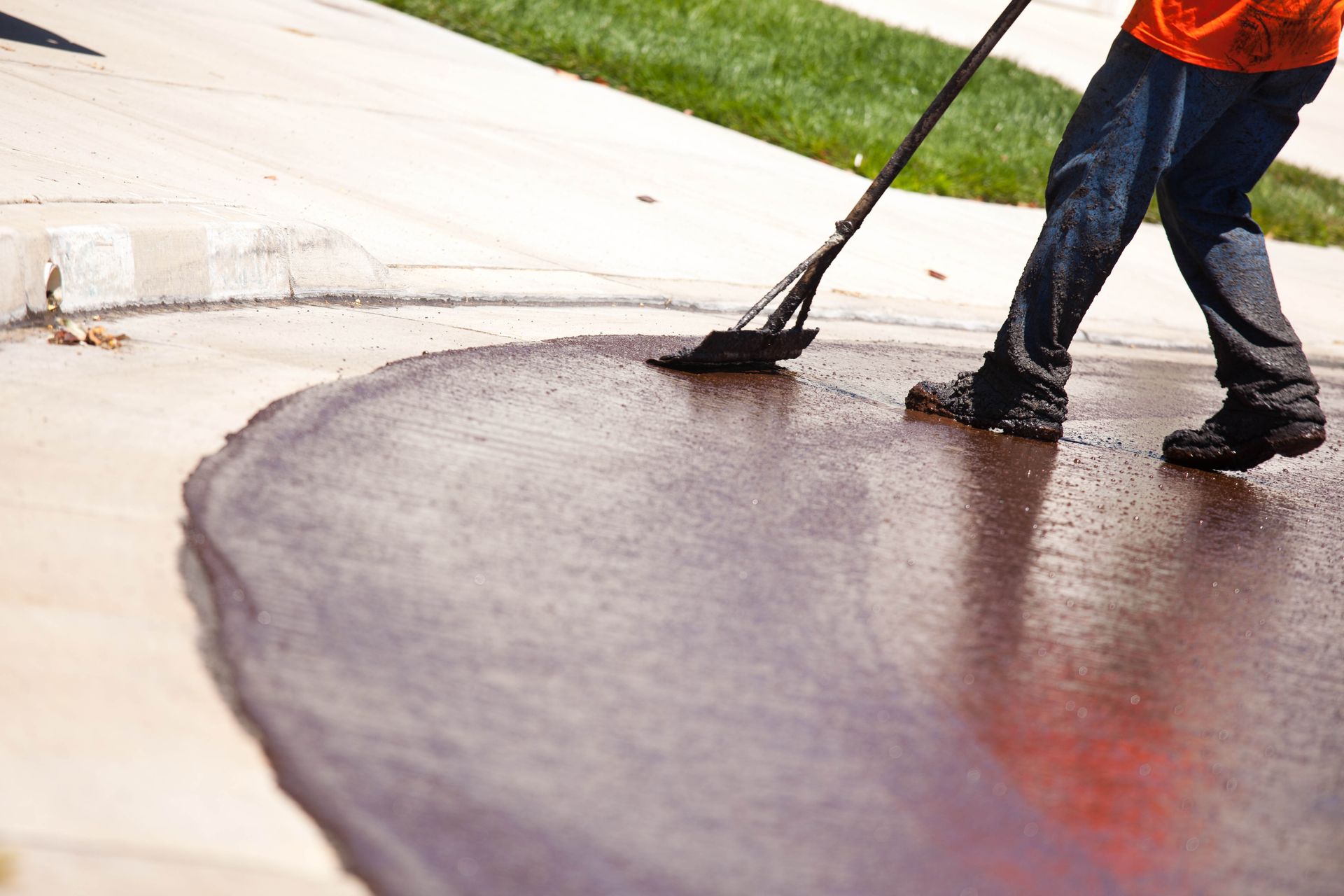
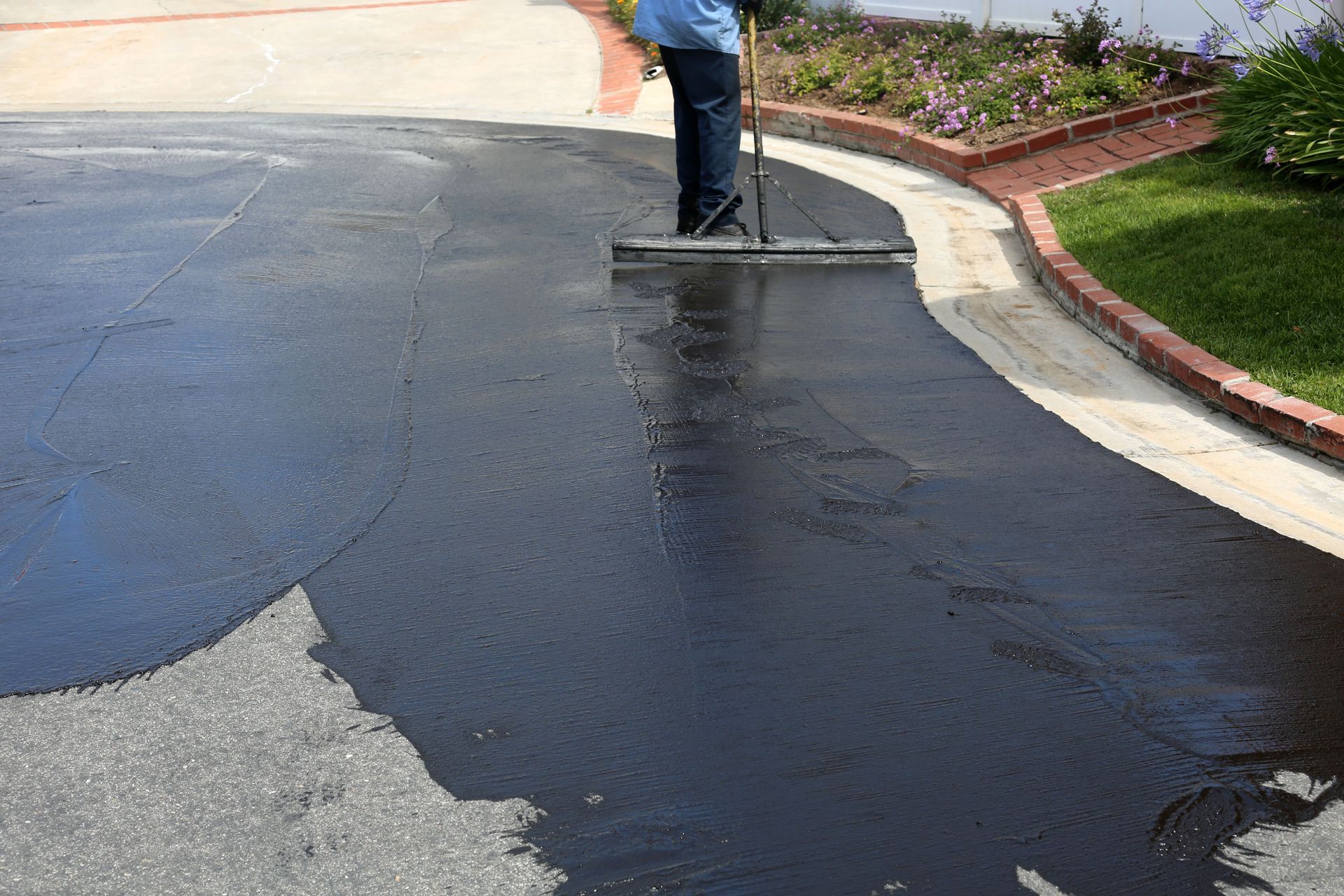
Paved surfaces represent a significant financial investment for both residential and commercial property owners, providing durable access roads, parking areas, and private driveways. Over time, continuous exposure to harsh environmental conditions, heavy vehicular traffic, and natural weathering causes asphalt pavements to deteriorate gradually. Without systematic professional maintenance, subtle surface vulnerabilities expand into major structural failures that require costly reconstructive procedures. Implementing a defensive protective barrier remains a highly effective method for preserving paved infrastructure and maximizing initial construction capital. Applying professional protective liquid coatings creates a resilient shield that seals microscopic fissures, repels damaging chemical substances, and slows down natural aging processes significantly. Property managers who prioritize proactive pavement maintenance preserve functional performance while ensuring smooth vehicle operation across all paved expanses. Understanding how protective treatments safeguard paved surfaces helps property owners make informed decisions regarding long-term pavement management strategies. Incorporating timely sealcoating applications into routine maintenance schedules prevents unexpected structural breakdown, preserves underlying subgrade stability, and extends operational service lifespans considerably.
1. Blocking Ultraviolet Radiation
Sunlight contains powerful ultraviolet rays that break down the delicate chemical bonds within liquid asphalt binders. As intense solar radiation strikes paved surfaces daily, essential binding oils that maintain pavement flexibility begin to evaporate rapidly. This continuous environmental exposure leaves the top aggregate layer brittle, dry, and highly vulnerable to surface cracking. Without protective barriers, the dark black surface fades into a dull grey color, signaling severe material oxidation beneath the exposed surface. According to Today’s Homeowner, asphalt driveways are usually installed at a thickness of 2 to 4 inches, and increasing that thickness improves durability. However, regardless of initial pavement depth, solar radiation will progressively weaken unsealed top layers over time if left unprotected.
Applying a protective liquid emulsion acts like a powerful barrier against solar exposure, reflecting harmful solar rays and sealing essential binder oils safely within the aggregate mixture. By mitigating ultraviolet radiation damage, sealcoating preserves internal elasticity and prevents the structural surface matrix from becoming brittle. This resilient protective layer ensures that heavy vehicular loads do not cause widespread surface raveling, aggregate dislodgement, or premature crumbling along high-traffic corridors. Consistent professional application maintains deep structural resilience against unrelenting summer heat and extreme thermal fluctuations.
2. Preventing Water Infiltration
Water represents a primary destructive natural element to unsealed paved structures across all climates. Rainwater and melting snow easily penetrate small surface pores, hairline cracks, and open seams within unsealed pavement matrices. As moisture seeps deeper into underlying base materials, it softens the foundational subgrade soil, leading to localized sinking, depression formation, and severe structural destabilization. During colder seasonal cycles, trapped water within internal voids expands upon freezing, generating tremendous internal pressure that forces aggregate particles apart and forms deep, destructive potholes.
A professionally applied sealcoating layer creates a completely waterproof barrier across the entire paved expanse, preventing liquid from penetrating vulnerable surface pores. By filling microscopic voids and sealing narrow surface fissures, this protective application forces surface water to run off smoothly into adjacent drainage channels. Keeping underlying foundational layers completely dry prevents subsurface erosion and eliminates freeze-thaw expansion damage entirely. Maintaining a water-tight seal safeguards structural integrity throughout unpredictable weather cycles and heavy precipitation events.
3. Resisting Chemical Degradation
Vehicles traversing paved surfaces frequently leak harmful petroleum-based fluids, including engine oil, gasoline, diesel fuel, transmission fluid, and power steering liquid. Because asphalt binder is fundamentally derived from crude oil, leaked petroleum products chemically interact with the pavement matrix upon contact. These chemical leaks dissolve the binding agents that hold aggregate rocks together, converting solid pavement into soft, slurry-like spots that disintegrate quickly under pressure. Left unaddressed, chemical saturation creates deep soft spots that cannot support standard vehicular weights.
Specialized sealcoating compounds possess robust chemical resistance properties that prevent harsh automotive fluids from penetrating into underlying asphalt layers. The protective barrier holds chemical drips safely on the surface, allowing maintenance crews to clean up petroleum spills before structural damage occurs. By isolating destructive automotive chemicals from primary binding agents, protective sealants prevent rapid aggregate loosening and localized spot failure. Routine sealcoating protection safeguards high-traffic parking bays, drive-through lanes, and loading zones from chemical degradation.
4. Stopping Surface Oxidation
Atmospheric oxygen constantly reacts with exposed asphalt binders in an ongoing chemical process known as oxidation. This continuous chemical reaction hardens the flexible bitumen binder, transforming a resilient pavement surface into a rigid, brittle material susceptible to cracking under minimal traffic stress. As oxidation progresses, outer aggregate rocks lose their adhesive bond and begin separating from the surface, causing a rough texture known as surface raveling. Rapid aggregate loss thins the effective functional layer and leaves underlying structural layers vulnerable.
Routine sealcoating treatments isolate the pavement matrix from direct contact with atmospheric oxygen, effectively halting the oxidation process in its tracks. By sealing micro-fissures and replenishing lost surface binders, protective coatings preserve the underlying material in a flexible, cohesive state. Halting top-layer oxidation slows down surface wearing and maintains smooth driving conditions across commercial and residential properties alike. Regular preservation treatment stops aggregate loss long before expensive structural repairs become necessary.
5. Preserving Structural Flexibility
Paved surfaces must possess sufficient structural flexibility to yield slightly under heavy vehicular loads without fracturing or crumbling. Flexible pavement distributes weight evenly across underlying subgrade soils, accommodating subtle thermal expansion during hot summer days and contraction during cold winter nights. As unsealed pavement ages and loses internal moisture, it becomes rigid, losing its capacity to flex under shifting weight loads. Rigid pavement under continuous traffic stress develops longitudinal cracks, transverse fractures, and widespread interconnected cracking patterns.
Periodic sealcoating applications maintain proper internal moisture balance and binder elasticity required for continuous structural flexibility. The protective layer absorbs daily surface friction and environmental stress, shielding core aggregate layers from structural fatigue. Preserving pavement flexibility allows driveways and parking lots to handle heavy delivery trucks and seasonal soil movements without cracking. Maintaining elastic resilience extends overall operational service life significantly while preserving structural integrity.
6. Restoring Aesthetic Appeal
Over time, weathered pavement loses its rich black color, turning into an unsightly faded grey surface marked by minor visual imperfections. Faded driveways and parking areas diminish overall property curb appeal, giving visitors, clients, and residents an impression of deferred maintenance and neglect. Furthermore, worn surfaces make painted traffic lines, pedestrian crosswalks, and directional arrows difficult to see clearly, creating potential safety hazards in commercial parking facilities. Restoring rich visual contrast improves overall property aesthetics instantly and enhances pedestrian safety.
Applying a fresh sealcoating layer transforms faded, worn pavement into a smooth, deep black surface that looks brand new. The dark background enhances the visibility of freshly painted parking stall lines and safety markings, improving traffic organization and driver navigation. Enhanced visual appeal increases overall property value while projecting a clean, well-maintained image to arriving guests and prospective buyers. Integrating sealcoating into routine property management protects financial investments while enhancing curb appeal continuously.
Maintaining asphalt infrastructure requires consistent professional care, timely surface protection, and dedicated long-term preservation strategies. Applying high-quality protective coatings prevents moisture damage, resists chemical spills, blocks solar radiation, and halts surface oxidation before major structural failures develop across paved areas. Property owners who invest in systematic surface maintenance avoid expensive reconstructive paving projects while ensuring safe, attractive driving conditions for all visitors. Maximizing pavement lifespan depends on proactive protection rather than reactive emergency repairs. To safeguard paved surfaces and extend pavement longevity, contact America Paving & Seal Coating Inc.